Kyushu University and Taipei Tech Co-host Joint Symposium on Sustainable Development
Kyushu University and Taipei Tech Co-host Joint Symposium on Sustainable Development
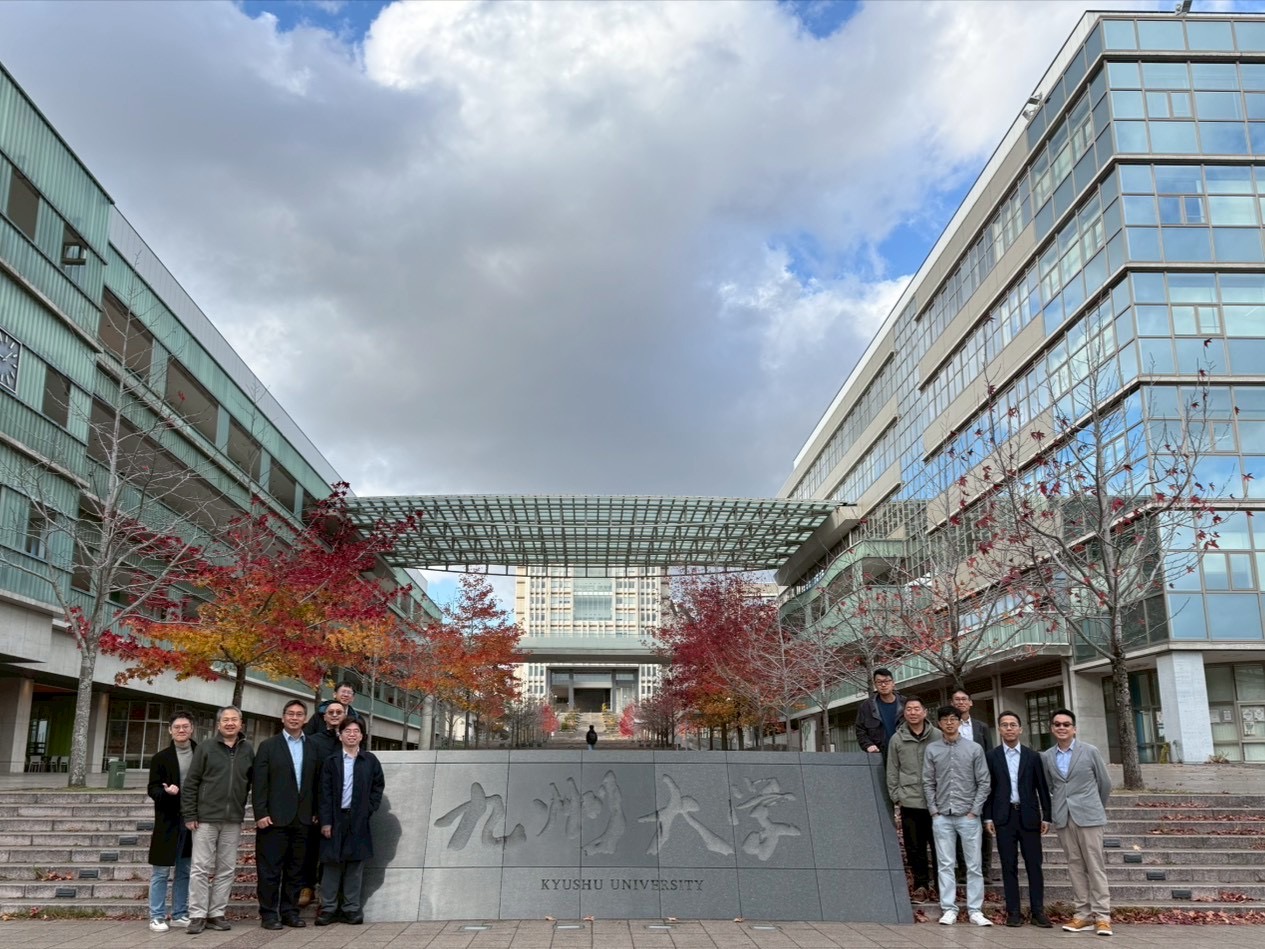
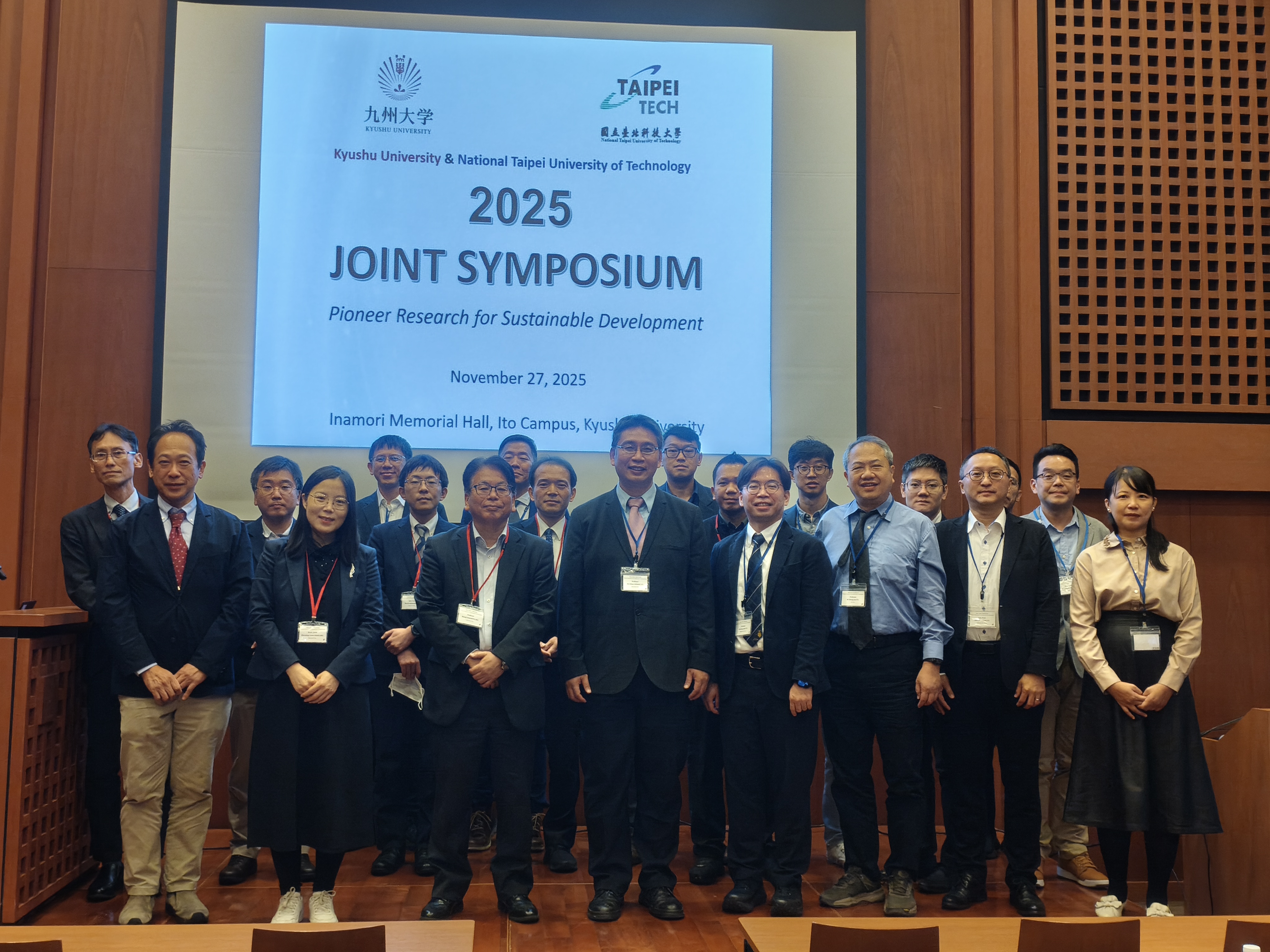
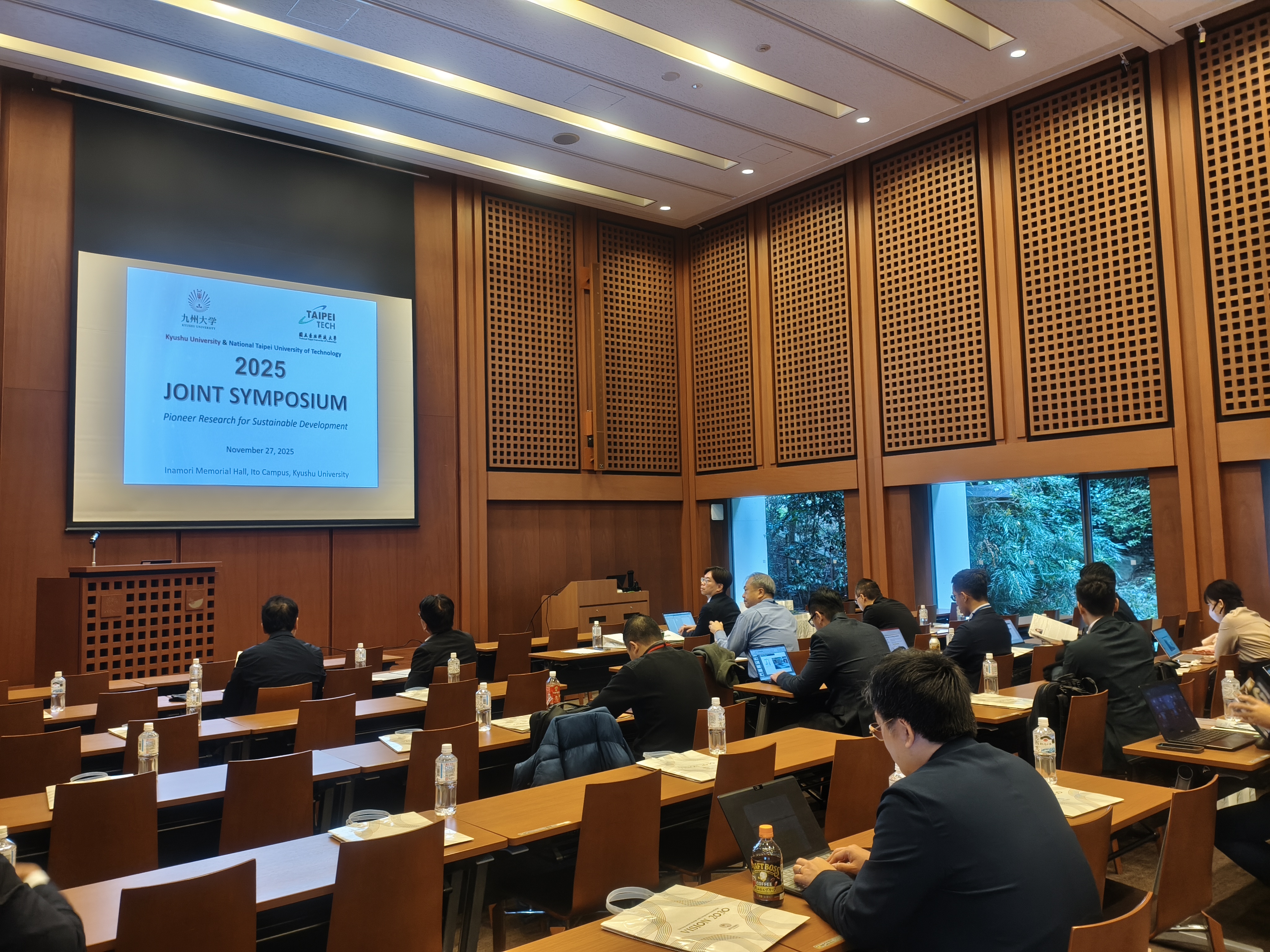
From November 26 to 28, 2025, Kyushu University and National Taipei University of Technology jointly held the “2025 Joint Symposium: Pioneer Research for Sustainable Development” at the Inamori Memorial Hall, Ito Campus. The symposium focused on sustainability and brought together leading scholars from both institutions to showcase cross-disciplinary research, marking a new milestone in Taiwan–Japan academic collaboration
The opening session was led by Prof. Soichi Yamaguchi of Kyushu University, who presented his work on Digital Twin Applications in Harmful Algal Bloom Forecasting. His team successfully conducted the first field implementation in Imari Bay, offering new solutions to reduce economic losses in fisheries. Prof. Yasuyuki Maruya followed with a study on Climate Change Impact Assessment on Water Resources, highlighting that short-term heavy rainfall events will become more frequent, increasing flood risks.
From Taipei Tech, Prof. Yu-Cheng Lin introduced a BIM-based Project Risk Management System, which uses a 3D digital platform to monitor construction risks in real time, enhancing safety and efficiency. Another highlight was Prof. Sunbin Yoo’s research on Urban Transport Resilience, revealing that highly accessible areas may actually be more vulnerable during disasters, challenging conventional assumptions.
In the energy and materials field, Prof. Yi-Hsuan Lee of Taipei Tech presented advances in iron-based spinel materials for fuel cells and electrolysis, demonstrating hydrogen conversion potential. Prof. Hsiu-Hui Chen showcased liquid crystal materials for organic electronic devices, improving molecular alignment and stability. Prof. Shao-Sian Li further proposed a magnetic-field-driven nitrogen reduction reaction, achieving higher ammonia production efficiency and offering new directions for green chemistry.
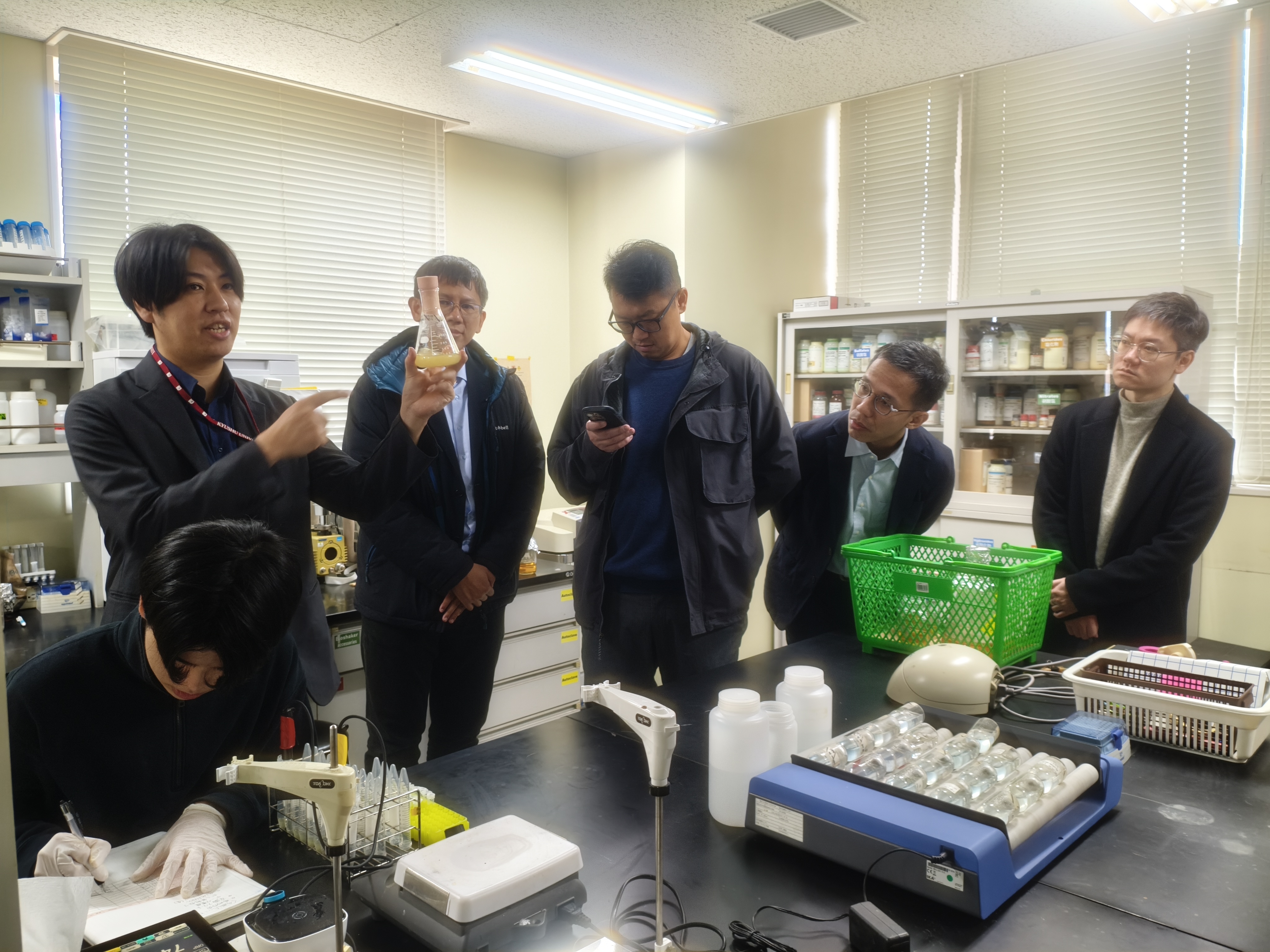
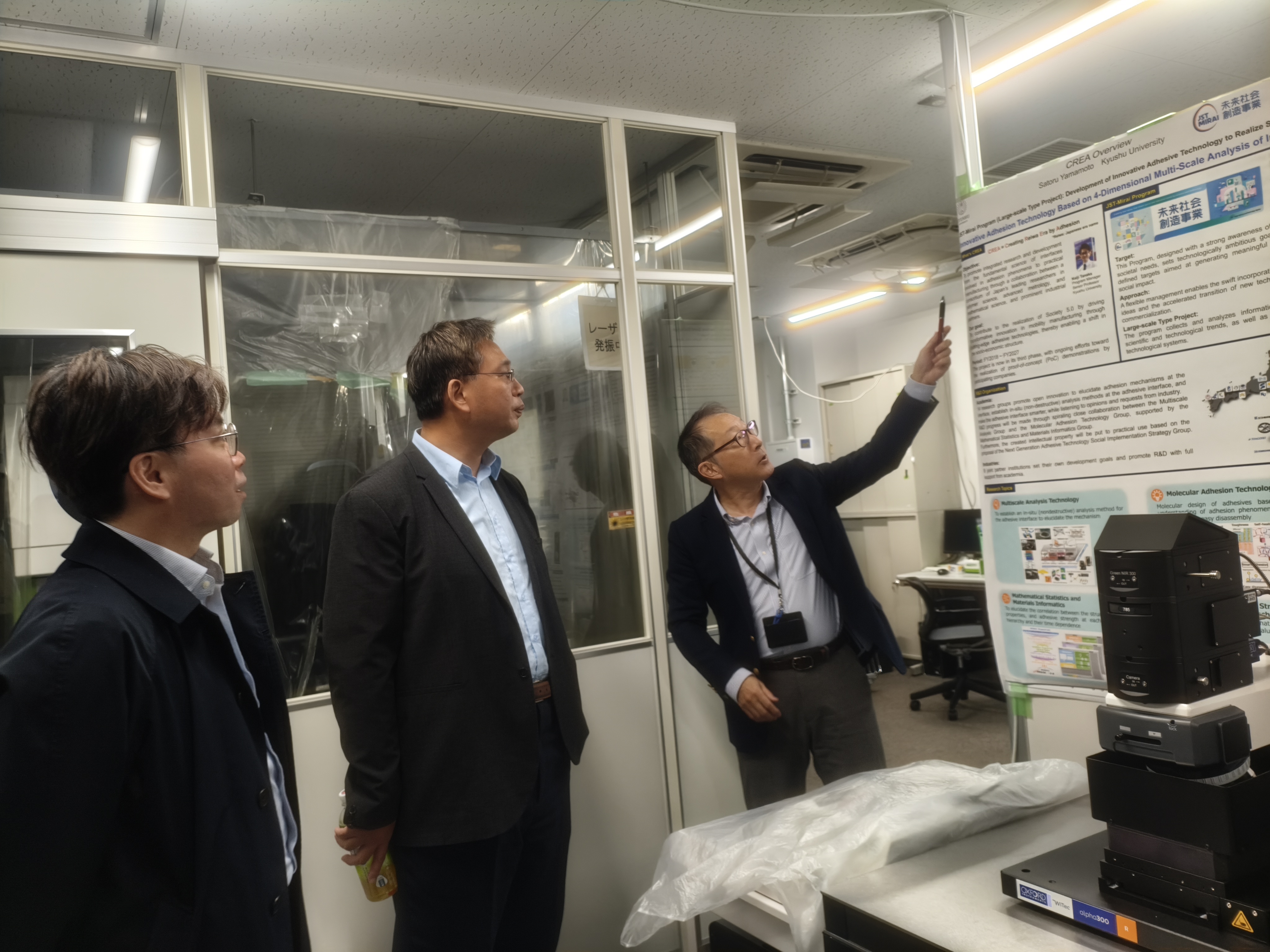
Beyond academic exchange, the symposium also featured social gatherings and lab tours to deepen interaction between faculty and students. At the closing ceremony, representatives from both universities emphasized the importance of continued collaboration, aiming to jointly advance sustainable technologies through international research.
This event not only highlighted cutting-edge achievements in energy, environment, and engineering but also symbolized the determination of both institutions to tackle global sustainability challenges together.